REFERENCE AND CHARACTER LOCK Use <<<CHARACTER_REF>>> as the strict…
Промпт
REFERENCE AND CHARACTER LOCK Use <<<CHARACTER_REF>>> as the strict visual reference for the protagonist. Preserve exactly the same middle-aged man in all three shots: identical face, apparent age, skin texture, hairstyle, hairline, glasses, body proportions, wardrobe, and restrained mannerisms. Do not beautify, rejuvenate, redesign, or change him. CREATE A 15-SECOND PHOTOREALISTIC CINEMATIC SEQUENCE WITH THREE DISTINCT SHOTS AND TWO CLEAN HARD CUTS. This is not a continuous take. Each shot must have a clearly different camera position while preserving the same room, character, desk layout, lighting, wind direction, and object positions. Cuts happen only between completed actions, never while a hand is touching or moving an object. No morphing transitions, match dissolves, or camera movement disguised as a transition. STORY A meticulous writer composes his manuscript in the study of his coastal house. His desk is arranged with obsessive precision. A gentle breeze from the open window shifts the top sheet slightly out of alignment. He calmly restores everything and resumes writing. LOCATION AND DESK The elegant study overlooks a distant gray-blue sea through a partly open window on the left. Pale natural coastal daylight enters from camera-left. A sheer off-white curtain moves gently. The walnut desk is immaculate. Keep only three important movable objects to reduce visual ambiguity: 1. A stack of ivory manuscript pages with squared edges. 2. One black lacquer fountain pen with a silver nib. 3. One small, solid, round brass paperweight with a flat base. The paperweight begins on the upper-left area of the desk, clearly separated from the pen and manuscript. These three objects have unique colors, materials, shapes, and fixed scale. Do not add a notebook, bookmark, ink bottle, cup, electronics, or other small desk objects. SHOT 1 — ESTABLISHING MEDIUM-WIDE, 0–5 SEC Camera at eye level in a front three-quarter angle, cinematic 50mm lens. Show the writer seated at the desk, both hands, the entire manuscript, black pen, brass paperweight, and the open window on the left. He writes naturally with his right hand, absorbed in the work. The curtain barely breathes in the breeze; the softly blurred sea moves beyond the window. Use a slow, subtle dolly-in. End the shot after his pen completes a line and briefly pauses above the same page. Clean hard cut. SHOT 2 — INSERT CLOSE-UP, 5–9 SEC A genuinely different angle: static 85mm close-up from the window side, focused only on the manuscript surface, his writing hand, and the nearby round brass paperweight. Preserve exact object design and placement from Shot 1. A slightly stronger but still gentle breeze travels from left to right. It lifts only the upper corner of the top sheet. The sheet slides about three centimeters and rotates four or five degrees. The rest of the stack stays flat and motionless. The black pen remains a black pen in his right hand; the brass disc remains stationary on the desk. He finishes the current word, stops, and looks toward the misaligned sheet. No object is touched during the cut. End after the sheet settles completely. Clean hard cut. SHOT 3 — INTIMATE MEDIUM CLOSE-UP, 9–15 SEC A third distinct angle: eye-level side three-quarter view from slightly behind his right shoulder, using a 65mm lens. Include his profile, expression, both hands, manuscript, pen, and brass paperweight. Preserve screen direction: window and wind remain on the left, traveling left to right. He shows only a tiny flicker of restrained irritation. First he places the black fountain pen horizontally on the desk, parallel to the front edge, then fully releases it. Next, using his empty hand, he slides the top sheet back into exact alignment and lightly squares the page edges. He fully releases the paper. Only then does he reach for the pre-existing round brass paperweight, lift it as one rigid solid object, and place it on the upper corner of the manuscript. The paperweight never changes shape, color, material, or size. He releases it, picks up the same black pen, and resumes writing. The secured page stays still while the curtain continues moving. OBJECT PERMANENCE — HIGHEST PRIORITY Maintain strict object identity across every frame and cut. The black fountain pen is always one thin black lacquer pen with one silver nib. It never becomes the paperweight, a finger, a page, or another object. The paperweight is always one compact round brass disc with a flat base; it never elongates, opens, melts, duplicates, or transforms into the pen. Manuscript pages remain thin rectangular ivory paper of constant size and thickness. Objects may move only through the explicitly described wind or direct hand contact. Never move two props at the same time. Show a clear release and a short pause before he touches the next object. No object appears inside his hand before contact. No object swaps identity when occluded by fingers. Preserve the exact number of objects: one pen, one paperweight, one manuscript stack. PERFORMANCE Understated, intelligent, and believable. Natural blinking, breathing, and small eye movements. He never looks at the camera. His emotional arc is concentration, restrained annoyance, precise correction, and quiet satisfaction. Movements are economical and practiced. No broad expressions, theatrical sighs, panic, anger, hurried gestures, or comedy acting. CONTINUITY AND PHYSICS All shots depict the same moment in the same room. Preserve character identity, wardrobe, seated position, desk design, window location, sea horizon, daylight level, shadows, manuscript thickness, and prop placement. Wind always moves left to right, strongest at the curtain and weaker at the paper. Hair and clothing react only slightly. Use realistic gravity, friction, paper flexibility, fabric motion, and object weight. No duplicated, disappearing, teleporting, merging, melting, or spontaneously moving elements. Hands have five fingers, natural joints, stable scale, and believable grip. Fingers remain outside solid objects. Paper never passes through hands or the desk. LIGHTING AND LOOK Natural window light only, softly directional from the left, with gentle contrast and realistic skin. Glasses may show a subtle reflection without hiding his eyes. Muted palette: warm walnut, ivory paper, off-white curtain, cool gray-blue sea, and desaturated clothing. Fine film grain, natural dynamic range, soft highlight roll-off, tactile literary atmosphere. No glamour light, artificial rim light, heavy haze, orange-teal grade, excessive bloom, crushed blacks, or glossy commercial polish. AUDIO Synchronized diegetic sound only: distant surf, soft wind, curtain rustle, fountain pen scratching paper, a faint page slide, light page-edge tap, and a small weighted brass sound when the paperweight is placed. Maintain continuous room tone across both cuts. No dialogue, narration, music, or dramatic effects. AVOID Single unchanging angle, continuous-take staging, cuts during hand-object contact, morphing transitions, object substitution, pen-to-paperweight transformation, prop duplication, extra desk items, flying pages, strong storm wind, chaotic movement, floating objects, warped hands, extra fingers, identity drift, facial deformation, wardrobe changes, changing room layout, slow motion, speed ramps, subtitles, captions, logos, borders, or watermarks.
Сделано на модели Seedance 2.0. Скопируй промпт, поменяй под себя и запусти — попробовать бесплатно.
Ещё от matvey T.
 видео
видеоCreate a cinematic 10-second title sequence in ONE…
 видео
видеоПоменяй одежду мужчине на одежду из референса
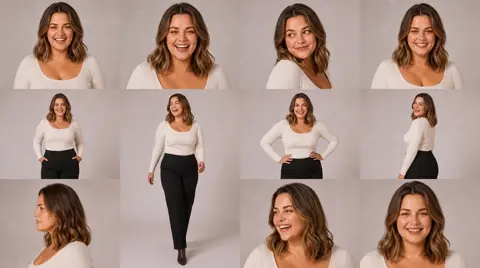
Сделай полную карту персонажа, все ракурсы, разные позы и…
 видео
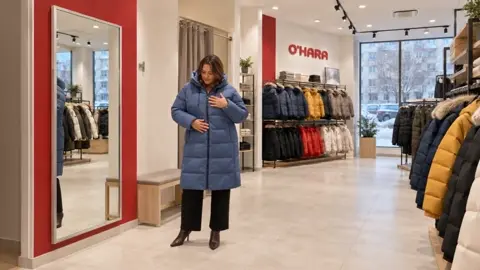
видео9:16 vertical fashion commercial, 8 seconds, modern premium…

Сделай карту персонажа с такими чертами лица
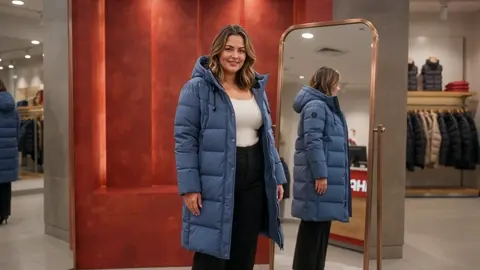 видео
видеоСделай супер фотореалистичное видео
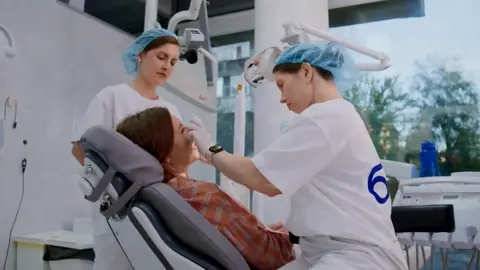 видео
видеоis the exact starting frame. Create a single continuous…
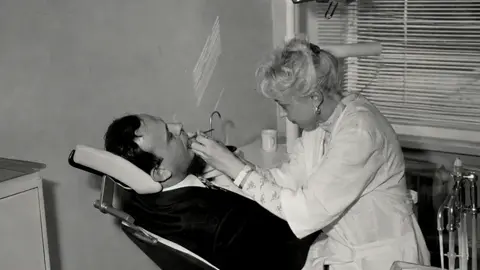 видео
видеоis the exact starting frame: the historical black-and-white…
Повтори это за минуту
Вставь промпт, поменяй под себя — получишь свой вариант. Без VPN, оплата картой РФ и СБП.
Попробовать бесплатно →