PAPAKHA COFFEE — VILLAGE TO URBECH Generate exactly 5 seconds,…
Промпт
PAPAKHA COFFEE — VILLAGE TO URBECH Generate exactly 5 seconds, vertical 9:16, with natural 24 fps motion. This is the second segment of a premium live-action brand film. The preceding, separately generated segment ends with an eagle's wing covering the lens. THIS SEGMENT MUST START IMMEDIATELY WITH A CLEAR VIEW OF THE DAGHESTANI VILLAGE. Do not show, recreate, animate or transition away from the wing. The two segments will be joined with a hard cut in editing. Create four distinct photographic shots with straight cuts at the specified times. Treat the uploaded images as references for specific places, objects and material properties. Do not use any reference image as a frozen video frame. Do not create a slideshow or a digital pan across a photograph. REFERENCE MAPPING @Image1 — DAGESTANI VILLAGE. Take the hillside layout, stone buildings, mountain ridges and geographical character. Build a believable three-dimensional scene for a moving camera. Ignore the reference photograph's original framing, digital sharpness, contrast, color processing and light. @Image2 — STONE HOUSE EXTERIOR. Take the stone masonry and wooden entrance door. Use a diagonal view of the lower facade; the ornate blue upper balcony is outside the frame. Ignore the reference photograph's lighting, vegetation placement and camera angle. Do not show the inside of the house. @Image3 — WORKING STONE MILL. Take the physical arrangement of the rotating grinding element, guard and urbech outlet. Keep these parts connected and in stable positions. Frame the outlet and a small visible portion of the turning grinding stone. Ignore the broad view, metal casing as a visual subject, and the reference's lighting. @Image4 — URBECH MATERIAL. Take only the warm nut-brown color, fine natural grain, dense viscosity and slow stretching behavior of the paste. Do not copy the glass jar, metal spoon, white background or studio setup. Use a plain wooden spoon and a simple matte ceramic bowl. SHOT TIMELINE [00.00–01.25] VILLAGE The first frame is already a clear, unobstructed view of the village from slightly above rooftop height. No wing, dark foreground, black frame or fade-in. Film a brief stabilized forward tracking shot on a 24–28 mm spherical cinema lens, with a gentle downward angle. Nearby roofs and slopes move slightly faster across the frame than the distant mountain ridges. Preserve a clear sense of actual distance and depth. The camera moves smoothly and modestly; it does not zoom into the reference image. [01.25–02.00] HOUSE EXTERIOR Straight cut to the stone house. Camera approximately 1.6 meters above the ground, 35 mm spherical lens, viewing the wooden entrance door and stone wall from a slight diagonal angle. A short, gentle push alongside nearby stonework creates foreground parallax. Keep the door and facade readable. Do not open the door or move the camera indoors. [02.00–03.90] URBECH LEAVING THE MILL Straight cut to a low three-quarter side macro shot at the mill's outlet, 90–100 mm macro lens. The outlet is the central subject. A small part of the heavy grinding stone turns steadily behind it, enough to establish where the paste comes from. Keep the machinery physically coherent. Thick finished urbech is ALREADY emerging from beneath the grinding stone and falling slowly into a simple matte ceramic bowl. It forms heavy, soft folds in the bowl. The paste is nut-brown, slightly grainy, naturally oily and dense, with restrained highlights. Show its weight and continuous movement. The camera makes one subtle lateral slider movement of a few centimeters, then settles. Focus stays on the outlet and the paste; the background falls softly out of focus. Do not show nuts, seeds, a hopper, a feeding process, dry crumbs or a wide overhead view of the machine. Do not imply that ingredients instantly become paste. [03.90–05.00] WOODEN SPOON AND MATCH-CUT FRAME Straight cut to an 85–100 mm macro shot from a three-quarter side angle. A realistic adult male hand, visible only partly at the edge of the frame, holds a plain wooden spoon and slowly lifts a small amount of urbech from the same type of ceramic bowl. No face or body is visible. A single thick, continuous strand stretches downward from the spoon into the bowl. Position the spoon in the upper third of the vertical frame and the strand at the center or just right of center. The hand and spoon move naturally; the paste does not float. From 04.50 to 05.00, the camera is locked. Keep the strand in a stable position, with nearly constant thickness and direction. This final composition will be used for a HARD MATCH CUT to the pouring drink in the next separately generated clip. Do not transform the urbech into coffee within this clip. LIGHT AND CAMERA IMAGE Make the film feel photographed, with coherent lens behavior, dimensional space and light shaped around the materials. Exterior daylight comes from high camera-left and remains consistent between village and house. Use natural mountain air and very subtle atmospheric depth; keep detail in the sky and distant ridges. At the mill, soft daylight enters from one plausible off-screen window direction. It grazes the rough grinding stone and creates controlled, appetizing highlights on the urbech. Preserve detail in the shadows. Keep the same lighting direction in the spoon shot. No unexplained spotlight or dramatic beams. Visual target: a contemporary high-end commercial photographed on 35 mm motion-picture film, with a Kodak Vision3 250D-inspired daylight color response. Restrained earth and mountain-green tones, natural stone colors, detailed neutral shadows, creamy highlights, smooth highlight roll-off, slightly softened micro-contrast, fine organic film grain and very subtle halation around only the brightest edges. Natural 24 fps motion blur. Consistent exposure and color across the four shots. Use appropriate depth of field: the village and house remain readable in depth; the mill and spoon have controlled macro background softness. Avoid exaggerated blur that hides the location or the mill's working parts. SOUND Only sounds belonging to the visible environment: faint mountain wind, a quiet low turning-stone sound, and the subtle sticky movement of the urbech. No music, melody, beat, instruments, singing, dialogue or voiceover. STRICT EXCLUSIONS No eagle, wing, feather, dark opening frame, fade-in, dissolve or morph. No slideshow, frozen photo, photo pan, digital zoom or repeated reference composition. No falling nuts, seeds, hopper, loose crumbs, factory production line or large view of a shiny metal disc. No glass jar, glass bowl, metal spoon, floating spoon, extra hands, faces or people. No watery syrup, chocolate sauce, plastic-looking paste, CGI shine, HDR, oversharpening, heavy orange-teal grade, exaggerated lens flares, strong film damage, camera shake, whip pan, captions, text or generated logo. NO MUSIC
Сделано на модели Seedance 2.0. Скопируй промпт, поменяй под себя и запусти — попробовать бесплатно.
Ещё от Джамиля
 видео
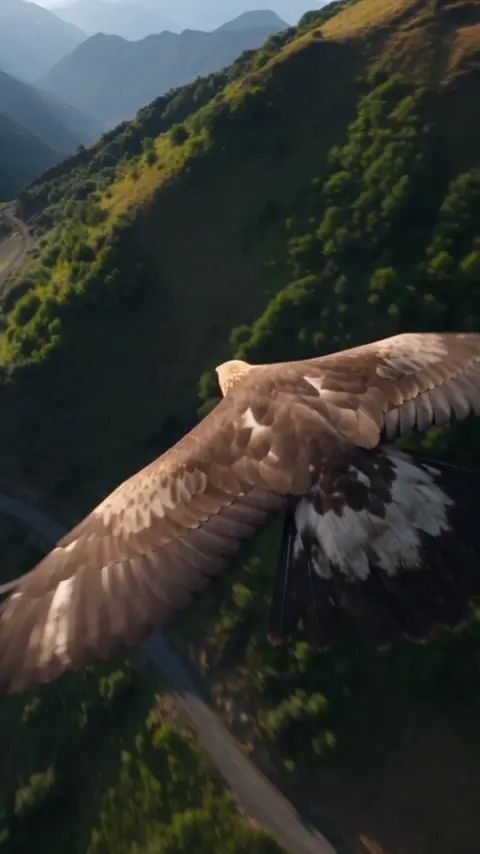
видеоCLIP 1A — GOLDEN EAGLE OVER DAGESTAN Exactly 5 seconds.…
 видео
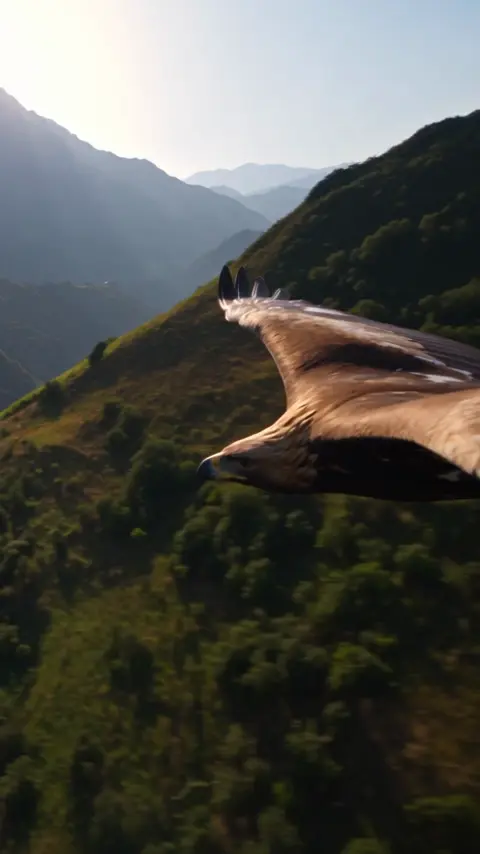
видеоCLIP 1A — GOLDEN EAGLE OVER DAGESTAN Exactly 5 seconds.…
 видео
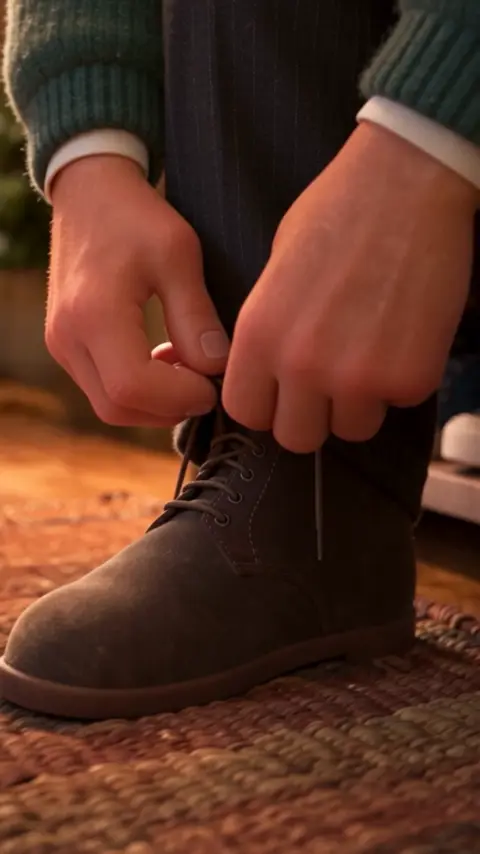
видеоCLIP 2B — THE SON HELPS Duration: exactly 5 seconds.…
 видео
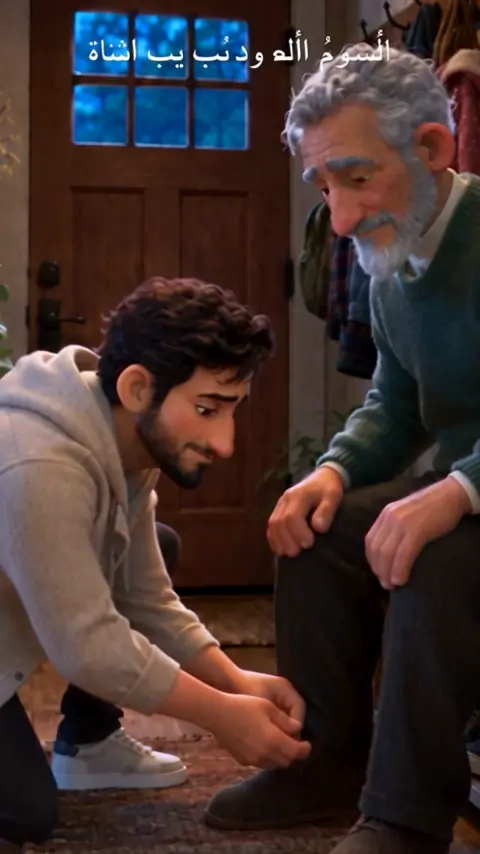
видеоCLIP 3 — THANK YOU Duration: exactly 5 seconds. Vertical…
 видео
видеоCLIP 2 — THE DISCOVERY Duration: exactly 10 seconds. Aspect…
 видео
видеоCLIP 1 — THE MISUNDERSTANDING Duration: exactly 10 seconds.…
 видео
видеоCreate the FIRST EXACT 10-SECOND SILENT VISUAL BASE of a…

справленный опорный кадр для рисованного анимационного…
Повтори это за минуту
Вставь промпт, поменяй под себя — получишь свой вариант. Без VPN, оплата картой РФ и СБП.
Попробовать бесплатно →